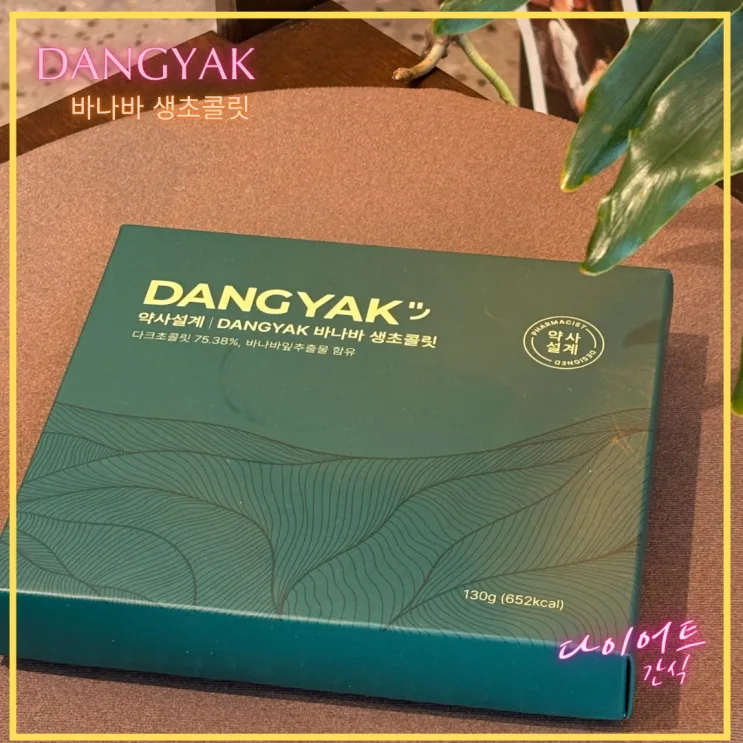
Low-Sugar Chocolate for Mindful Snacking
DANGYAK Banaba Nama Chocolate
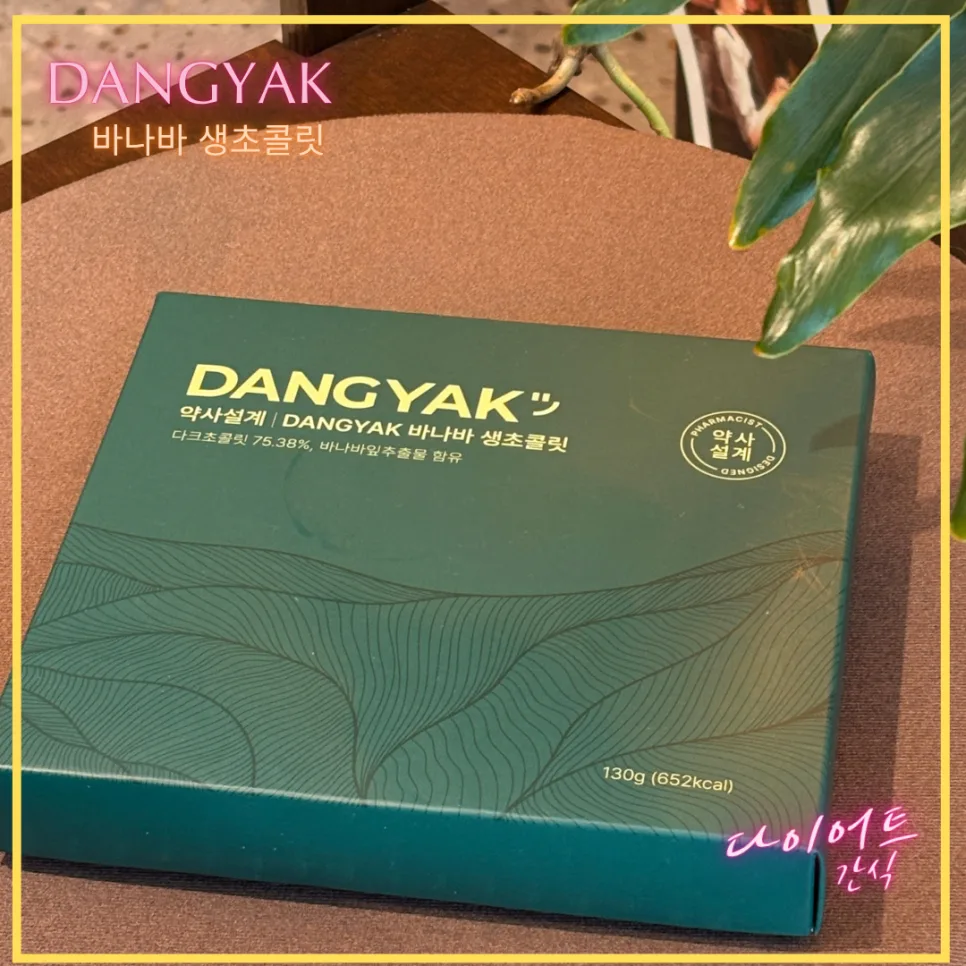
A Sweet Afternoon Snack That Fits Your Eating Goals
After lunch, low-sugar chocolate sometimes sounds especially tempting.
Once the afternoon rolls around,
I often find myself wanting something to nibble on.
I’m not necessarily hungry—
it’s more that a sweet treat with my coffee
suddenly sounds like a lovely idea.
Whenever I try to rule out snacks altogether,
I seem to think about them
even more.
So when I’m choosing a snack,
I try to look beyond the taste to the ingredients
and the thinking behind the product,
too.
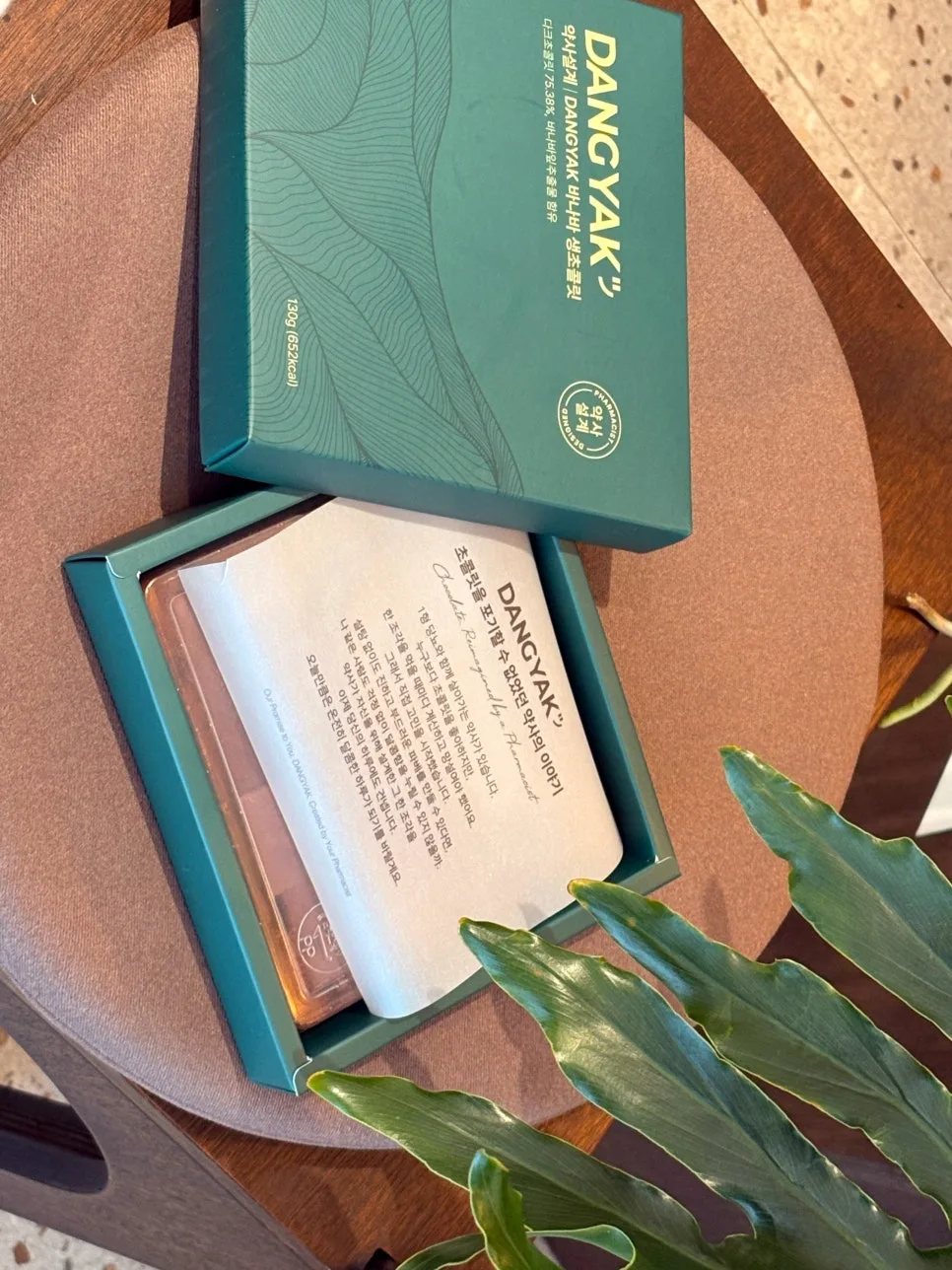
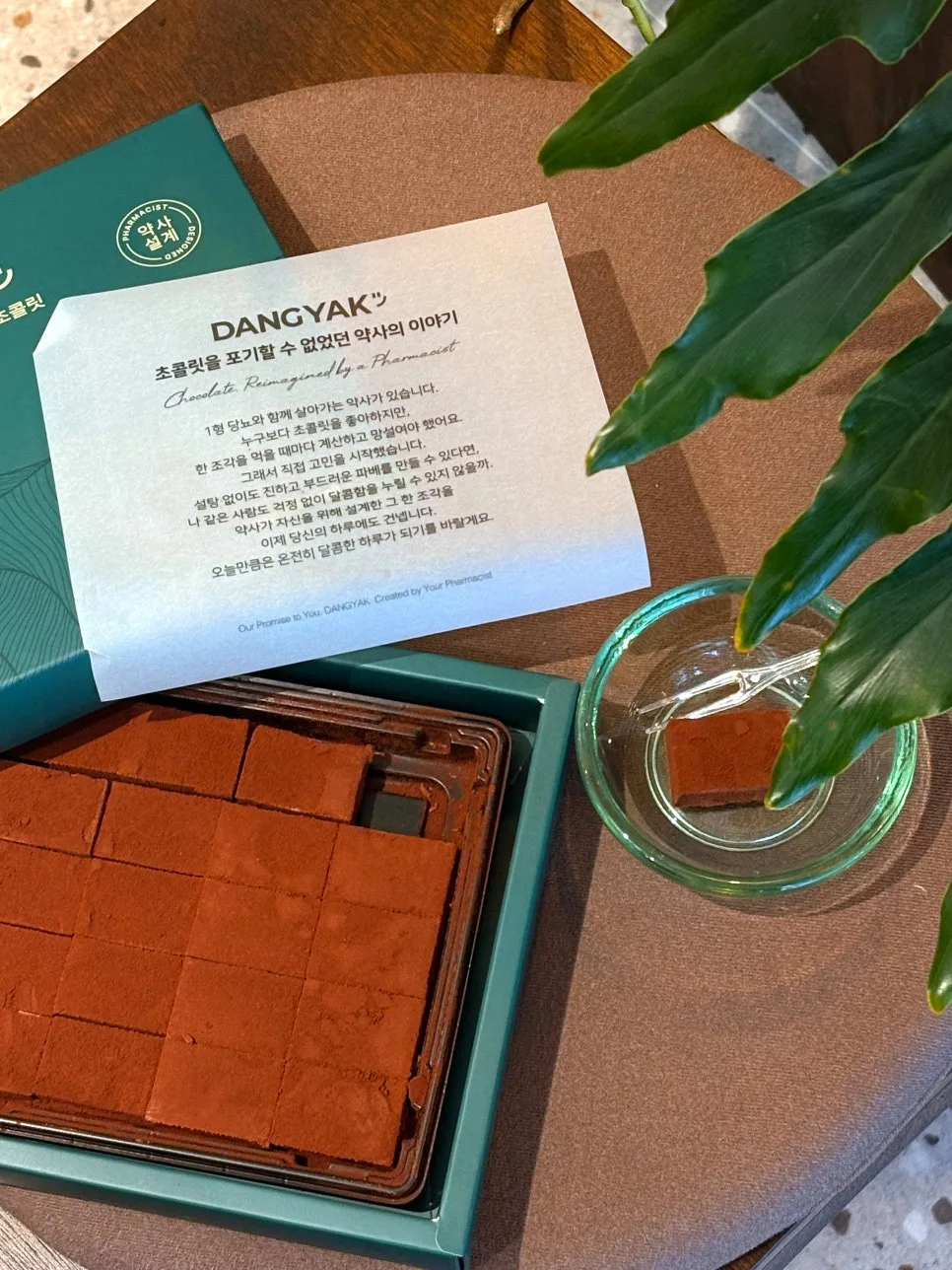
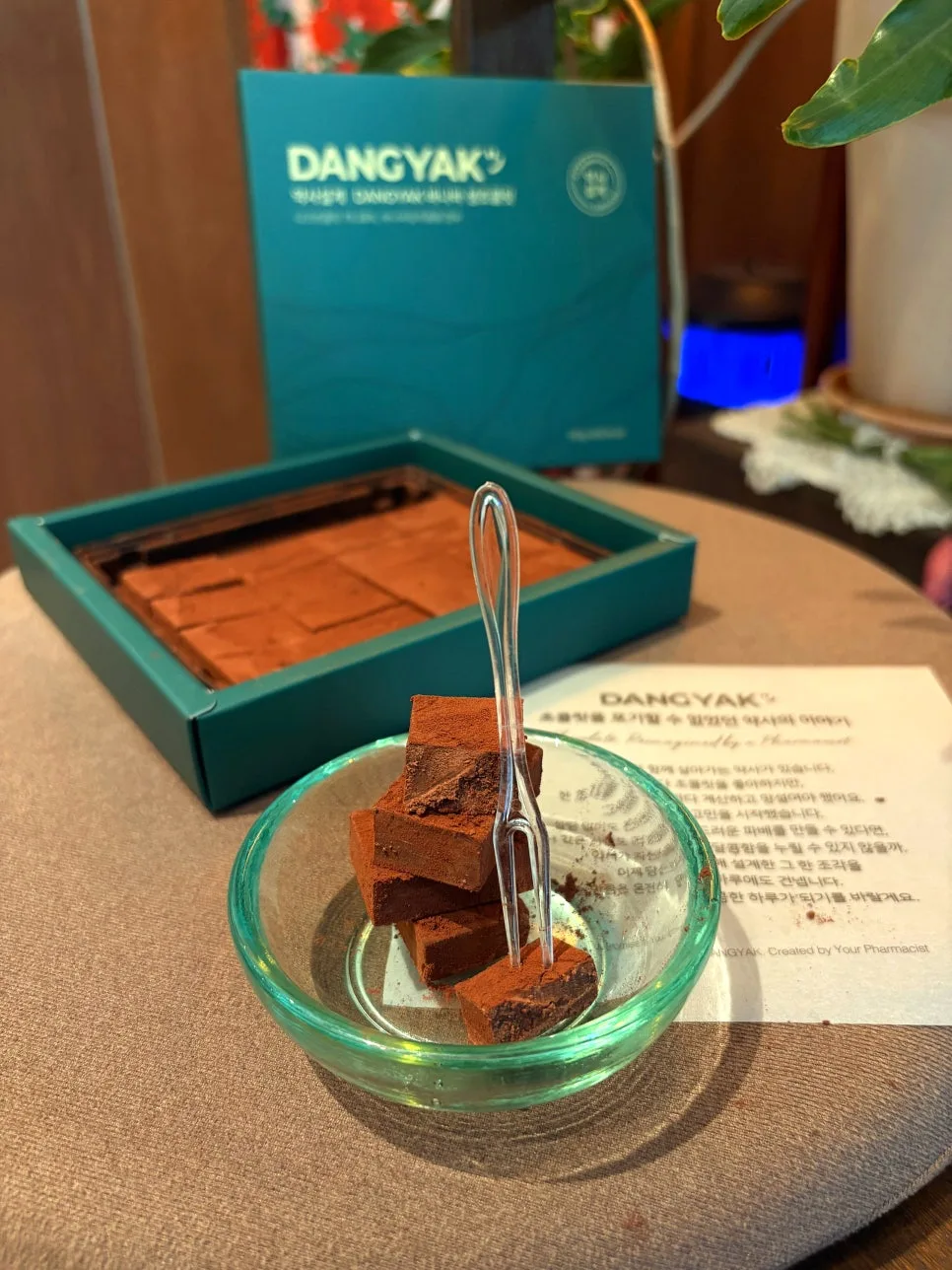
This time, DANGYAK Banaba Nama Chocolate—a fresh, ganache-style chocolate from South Korea—
caught my attention.
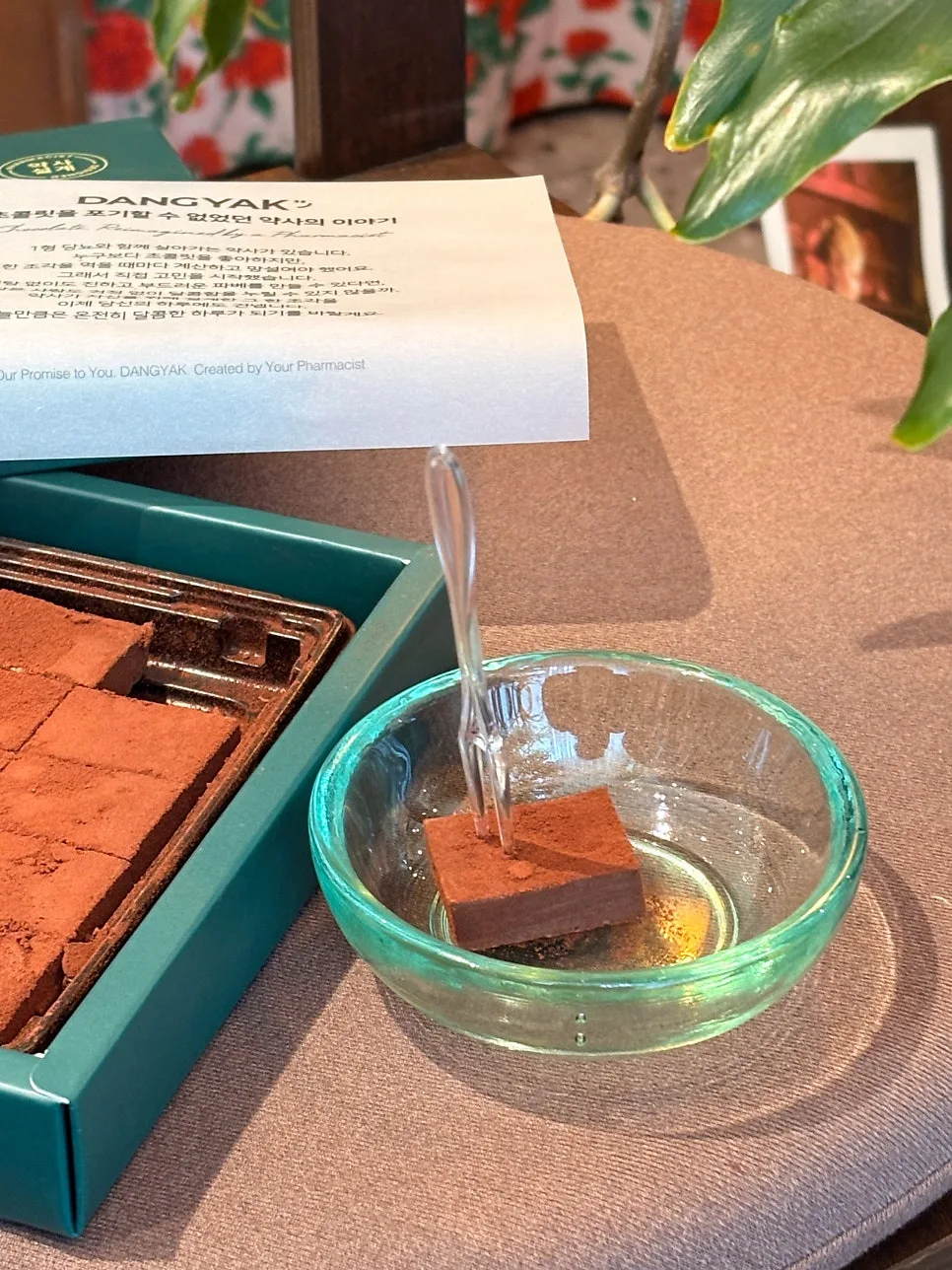

Mindful Snacking: How You Enjoy It Matters
Watching what you eat
doesn’t have to mean giving up every food you love.
Taking your usual eating habits into account
and adjusting the types and portions of your snacks
can be a more sustainable approach.
Chocolate, in particular,
offers a little sweetness in a small serving.
Deciding on a portion before you start
can make it easier to keep track of how much you eat.
What you look for in a snack matters, too.
Ingredients and formulations vary from product to product,
so rather than going by taste or the name alone,
it helps to look more closely
at what each product actually offers.
Eating one snack
doesn’t mean you’ve ruined your entire eating plan.
What matters is looking at your eating habits
across the day as a whole.
Choosing Snacks: A Closer Look at Pharmacist-Formulated Products
When shopping for a healthier snack,
it’s easy to focus on the product name
or the advertising.
But I think the standards behind a product
deserve attention as well.
Especially when considering health-related products,
whether a pharmacist helped formulate them
can be one factor in your decision.
DANGYAK builds its product range
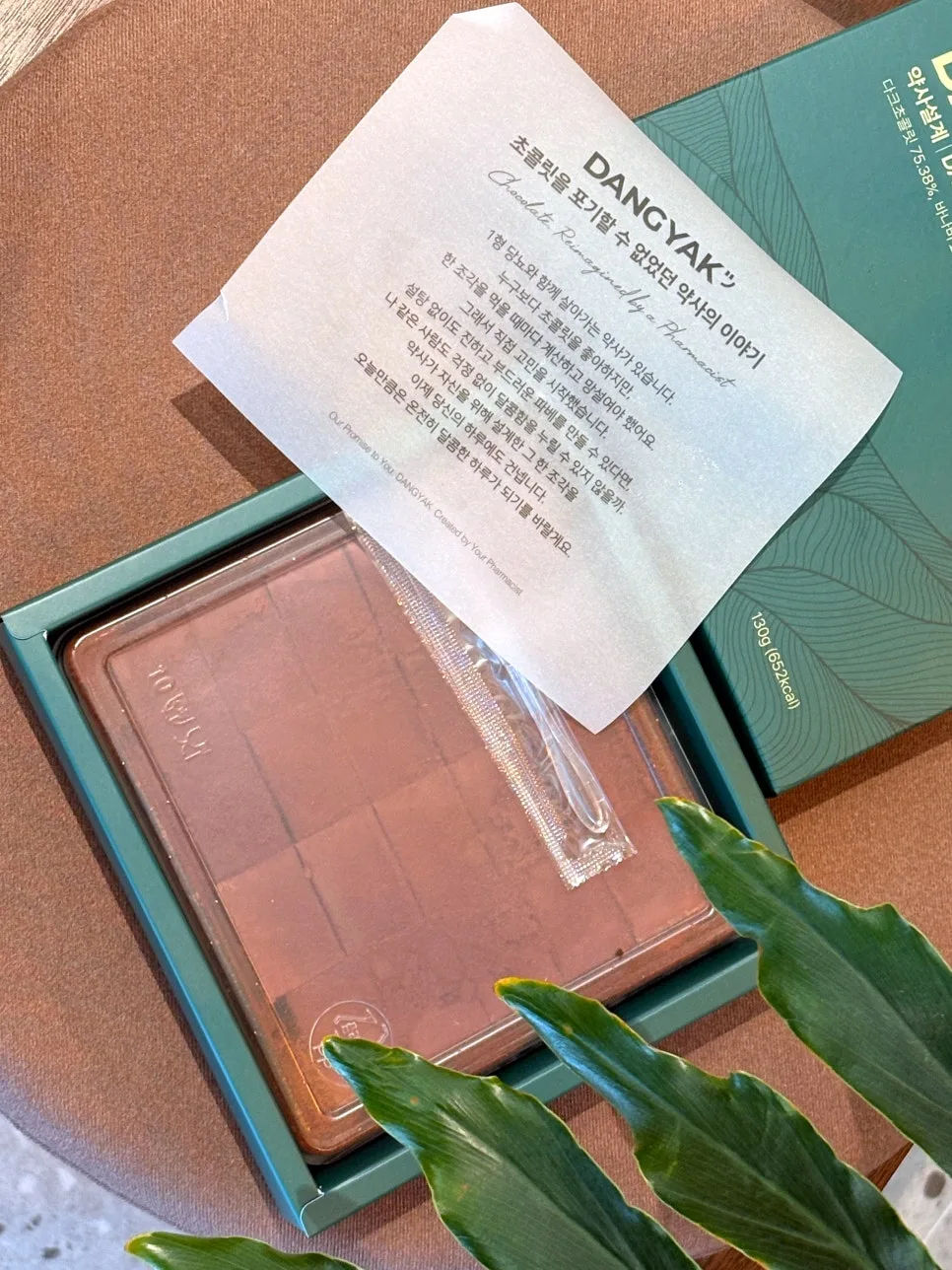
around pharmacist-developed formulations.
What stands out is that this approach
isn’t limited to a particular product:
every product in the brand’s range
is pharmacist-formulated.
Having a shared formulation standard
across the entire brand
struck me as something worth noting while comparing products.
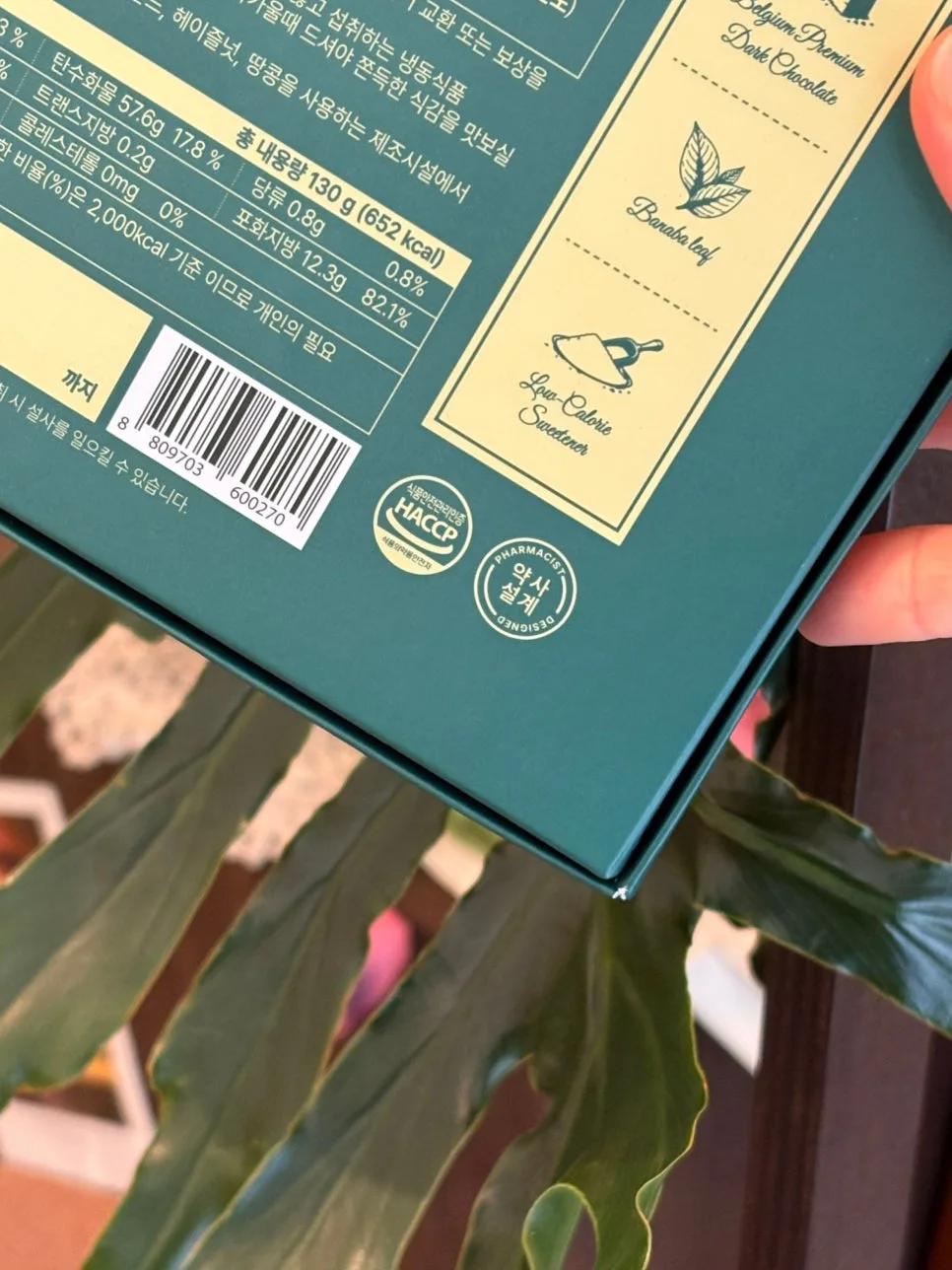
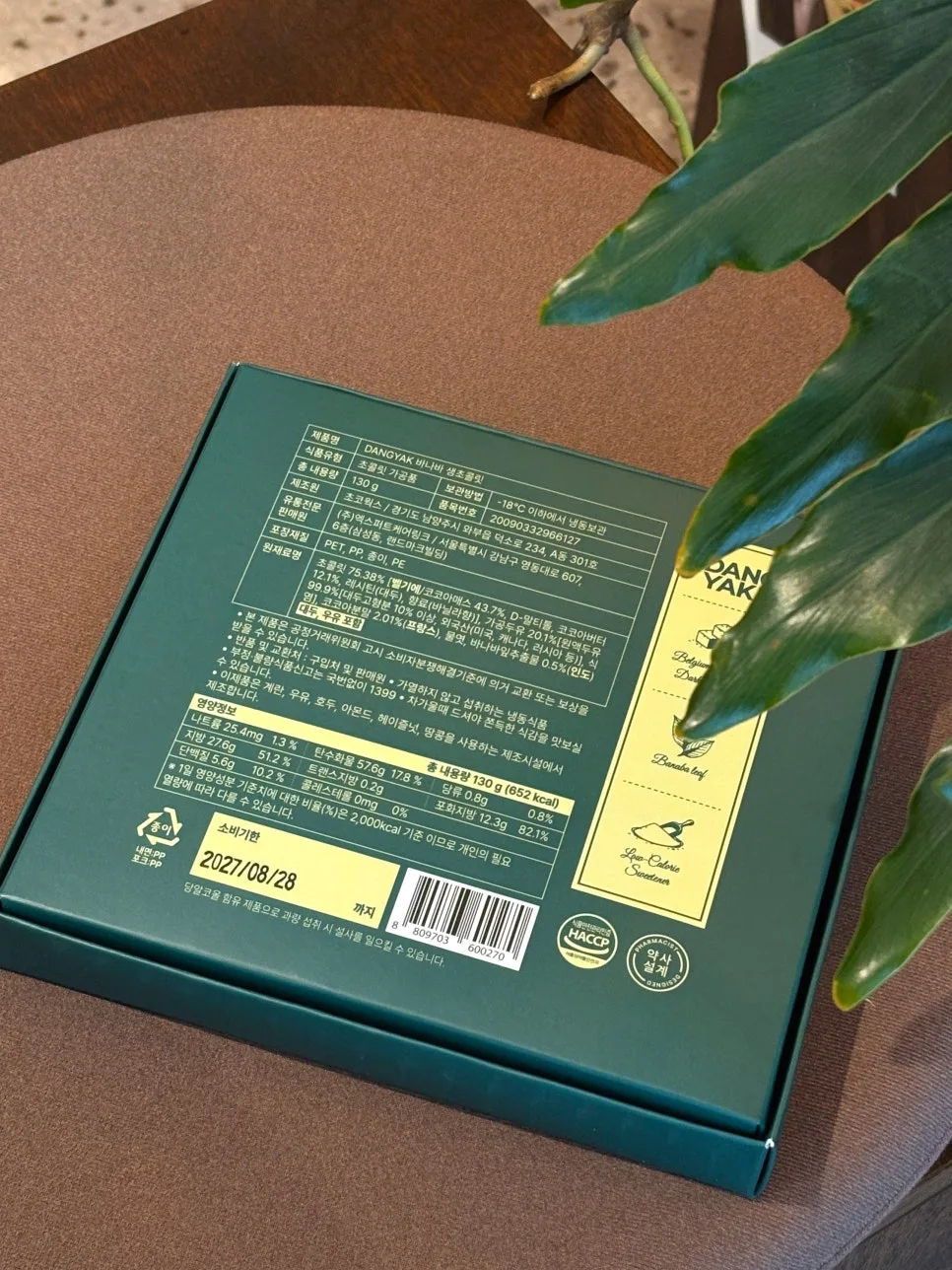
It’s also worth checking any certification marks on the packaging
along with the accompanying information
to better understand what they mean for that particular product.
How to Choose Chocolate with Less Sugar
If you love chocolate,
low-sugar chocolate can be an appealing option.
But rather than relying on a “low sugar” claim alone,
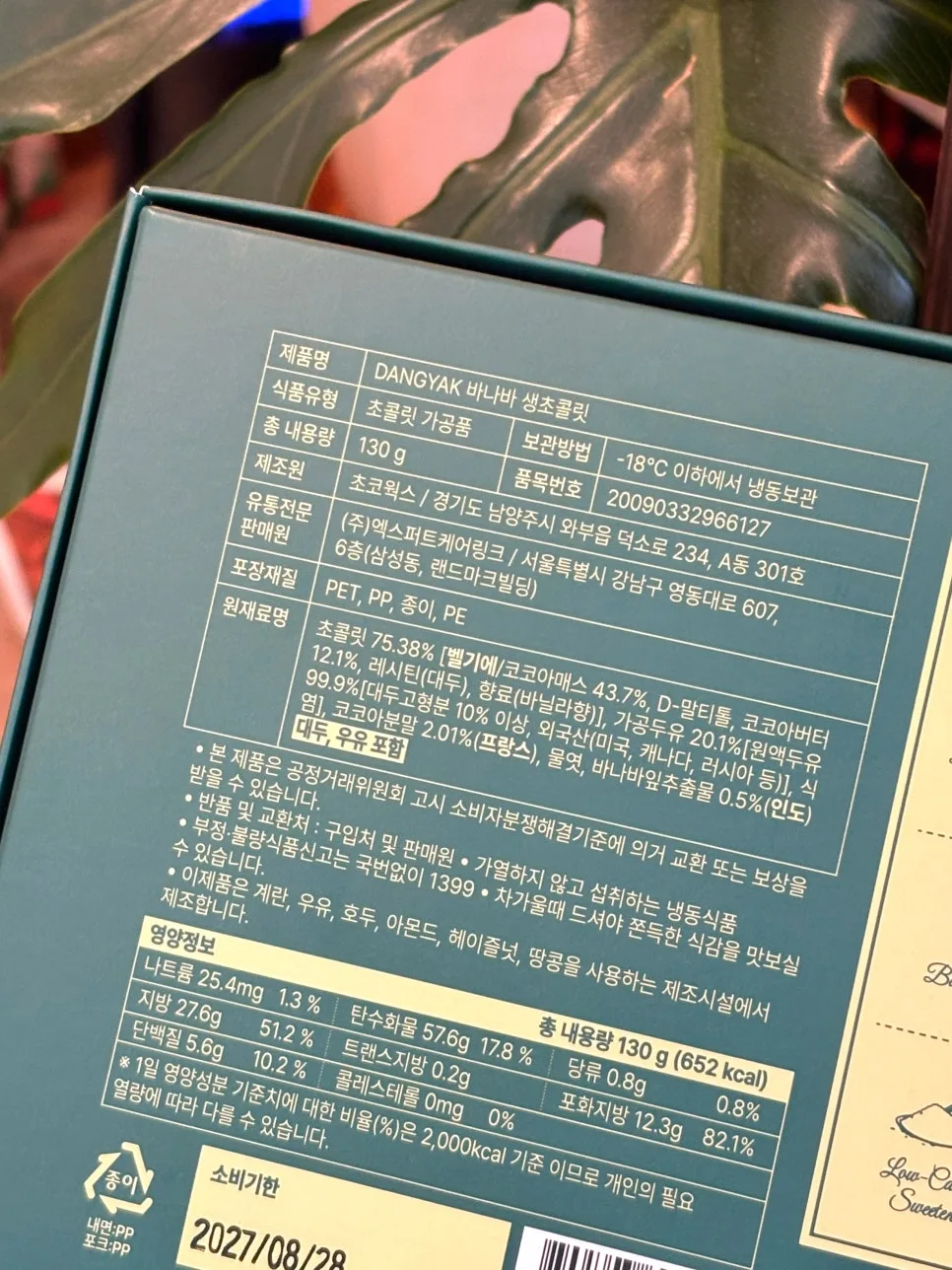
make a habit of checking the actual sugar content
listed on the label.
Both the sugar content and the ingredients
can vary between products,
so comparing a few options is worthwhile.
When considering DANGYAK Banaba Nama Chocolate,
I’d check the sugar information and ingredients
side by side.
The inclusion of banaba, a plant ingredient,
is another feature worth looking into.
However, the presence of a particular ingredient
doesn’t establish that the finished product lowers blood sugar
or helps with weight loss.
Those effects shouldn’t be assumed.
It’s important to distinguish information about an ingredient
from what the finished product’s labeling actually says.
Alongside the brand’s pharmacist-formulated approach,
check any certification information
shown on the product itself.
Building Better Habits Around Lower-Sugar Snacks
Balanced eating habits
don’t develop overnight.
Start small by keeping regular mealtimes
and deciding on a reasonable snack portion
before you eat.
On days when you want chocolate,
refer to the serving guidance on the packaging
and consider how it fits into your day’s overall eating habits.
A lower-sugar label
isn’t a reason to eat unlimited amounts.
Paying attention to your usual snacking patterns
still matters.
If you’re considering DANGYAK Banaba Nama Chocolate,
look beyond the flavor and product concept.
Check the pharmacist-formulation information, ingredients,
and sugar labeling as well.
There’s room to appreciate a good snack break
while finding an approach to eating
that feels manageable enough to maintain.
A Quick Checklist to Remember
Consider your portion size and your eating habits across the whole day.
Check the ingredients and the standards behind the formulation.
Compare sugar content, even with low-sugar chocolate.
Review pharmacist-formulation details and product certification marks.
Don’t assume health benefits simply because a product contains banaba.
Even when you’re craving something sweet,
taking another moment to understand the product
can help you build a more balanced approach to eating.